Blique by Nobis Press Kit
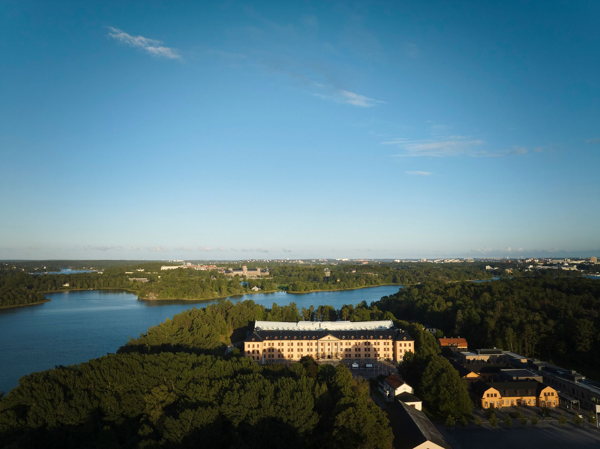
Originally the vision of pioneering architect Sigurd Lewerentz and now reimagined by the esteemed Swedish architect Gert Wingårdh, the launch of Blique by Nobis marked the rebirth of a modernist landmark. Situated between Stockholm’s Vasastaden gallery district and the up-and-coming area of Hagastaden, the hotel — one of eleven owned by the Stockholm-based Nobis Hospitality Group — serves not only as a gateway to the capital’s arts scene, but also as a hub for local and visiting creatives.
Here, amidst a hotel, a bustling public courtyard, a variety of restaurants and bars, and a rooftop terrace, one finds a contemporary meeting place for creatives from the worlds of design, architecture, visual arts, food and music. Characterised by an industrial aesthetic that seamlessly blends raw steel and concrete, natural materials and classic design pieces, Blique by Nobis has evolved into a thoughtfully curated destination where contemporary design and creative expression converge.
About
Address
Gävlegatan 18
113 30 Stockholm, Sweden
Manager
Anna Björklund
Owner
Alessandro Catenacci
Rooms
249
Suites
58
Facilities
Rooftop terrace, cinema, sauna and gym
Restaurant
Arc Rooftop, Boketto
Bar
Origo
Architecture & Design
Wingårdhs


Design & Architecture
The building that now houses Blique by Nobis was originally designed in 1931 by Sigurd Lewerentz as an office and warehouse for Philips. This historic structure has been renovated in collaboration with Wingårdhs, under the direction of renowned architect Gert Wingårdh. The hotel’s design concept is deeply rooted in Lewerentz’s legacy, where a strict and minimalist architectural foundation meets a refined, handcrafted interior.
Lewerentz’s distinctive warehouse is a striking concrete building characterised by its rigorously repetitive façade and a series of smaller windows. The hotel also comprises an additional courtyard building, designed in 1990 by Alenius Silfverhielm Åhlund, featuring a gently curved façade with larger openings that allow more natural light. This structure houses roughly half of the hotel’s guest rooms.
The design concept is rooted in expansive concrete surfaces and enhanced with raw materials such as sheet steel and metal. To honour the functionalism that defined Lewerentz’s work, Wingårdhs have focused on a limited yet carefully considered palette of materials that serve both decorative and functional purposes.
Contrasting with the austere architectural base is a meticulously crafted interior. Here, timeless design classics in wood and leather — materials that grow more beautiful with age — set the tone. The interior palette ranges from natural hues to deep blacks, with predominantly warm brown undertones.
Guests will find iconic pieces such as chairs by Carl Hansen and the American designers Charles and Ray Eames, as well as furniture designed specifically for the hotel by Wingårdhs. At Blique by Nobis, guests are invited to experience the tension between the stripped-back and the handcrafted — a dialogue between strict minimalism and soft, artisanal detailing.


Rooms and Suites
The 249 rooms are welcoming, well-planned and make efficient use of space. Here, the architects at Wingårdhs have worked to high standards of quality and timeless design. Among the room types are 58 studios equipped with kitchenettes, intended for guests staying in Stockholm for longer periods. These studios offer comforts that help travellers feel at home during extended stays, including Marshall speakers. The hotel also features 50 sleep rooms — windowless rooms designed for guests who prioritise a good night’s rest.
The guest rooms share the same soft grey tone found in the concrete of the hotel’s communal areas. A plush wall-to-wall carpet made from tufted natural wool adds warmth underfoot.
The interior is crafted with a focus on tactile materials and thoughtful design, centred around the comfortable Bed Factory bed framed by a headboard in leather or satin-finish laminate.
A smart storage system in black wrought metal enhances both modularity and the ability for guests to personalise the space with their own belongings. Every room is designed with an intuitive layout, making it easy for guests to immediately understand how the space is intended to be used.
The bathrooms, compact yet well-designed, are clad in crisp white terrazzo with subtle amber flecks that tie the colour scheme together with the warm tones of the room’s interior. Guests will also find bathroom amenities from the Swedish brand Byredo.


Restaurants and bars
Two restaurants, three bars and a rooftop terrace with unbeatable views over Stockholm complement the hotel and event facilities. The restaurants serve dishes inspired by European and Asian culinary traditions, based on well-balanced and flavourful cooking.
ARC Rooftop
ARC Rooftop is situated twelve floors above the city, offering one of Stockholm’s most striking views, where the historic skyline meets the emerging architecture of Hagastaden. The restaurant offers a shared dining experience inspired by Southeast Asian food culture, reinterpreted with a modern twist and complemented by Scandinavian ingredients. The menu is built around the balance of sweetness, acidity, salt and heat — the four cornerstones of ARC’s culinary identity — drawing on influences from family recipes, food markets and street food traditions.
A strong focus on locally grown produce runs throughout the concept. During the warmer months, the kitchen uses vegetables, fresh herbs and edible flowers grown in the property’s courtyard garden. In winter, microgreens cultivated in ARC’s own greenroom ensure vibrant flavours all year round.
The bar follows the same philosophy, serving cocktails crafted with precision and a respect for each ingredient, reflecting the flavour profiles found in the kitchen.
Surrounded by a 360-degree panorama of Stockholm, ARC Rooftop offers a contemporary dining and drinking experience rooted in craftsmanship, flavour and exceptional views.
Boketto
Bino is a lively and inviting spot where the energy of Southern Europe meets the elegance of Stockholm. At its heart stands a classic zinc bar, setting the tone for an informal yet refined atmosphere. With an open kitchen, guests can smell, taste and observe the craftsmanship behind each dish, evoking the vibrant spirit of Italian and Spanish neighbourhood bars.
During the spring and summer months, Bino extends out onto the square.
Origo
Origo, the bar situated in the hotel’s urban lounge, is located next to reception. Open all day, it serves coffee, beer and cocktails, accompanied by a selection of snacks and small bites.
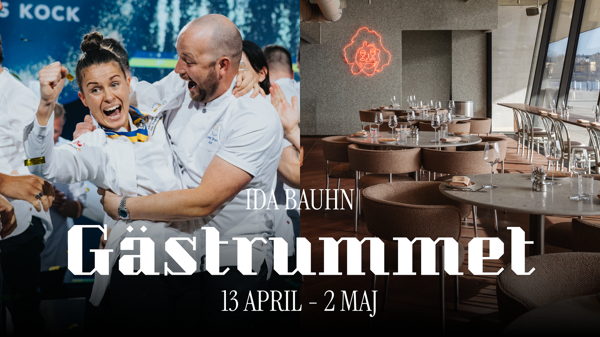
At Origo, guests can work, enjoy the art, or ease into the evening with a vibrant programme featuring live music, stand-up performances and DJ sets.


Sustainability
At Blique by Nobis, sustainability is central to the hotel’s philosophy. The aim is to offer an experience that is both inspiring and responsible, where thoughtful design is combined with environmentally conscious choices. The hotel holds the Nordic Swan Ecolabel and works actively to reduce its environmental impact through smart recycling, circular economy initiatives and sustainable practices in its restaurants.
Nordic Swan Ecolabel
The Nordic Swan Ecolabel is one of the most recognised environmental certifications in the Nordic region, setting high standards for energy and water consumption, waste management, and chemical use. Holding this certification means that the hotel continuously develops and improves its operations to become even more sustainable.
Circular Initiatives
Blique by Nobis embraces the principle of giving materials a new lease of life. Candle holders and vases are crafted from repurposed beer bottles in collaboration with Återbrukshyttan, reflecting the hotel’s commitment to transforming waste into beautiful and functional design elements.
Conference staff uniforms are made from reclaimed hotel linen through a partnership with TINI Garments, enabling textiles to be reused rather than discarded.
Sustainable food and beverage choices
In the conference and event spaces, as well as in the hotel bar Origo, Blique by Nobis works with Klimato to measure and reduce the carbon footprint of the food served. Each dish is ranked according to its climate impact, making it easier for guests to choose more sustainable options.


About Nobis Hospitality Group
Alessandro Catenacci is the driving force behind many of Stockholm’s top restaurants, nightclubs and hotels. His Italian name may reveal his Roman origins, but a distinctly Scandinavian sense of luxury is evident in everything Catenacci does. Above all, he hopes to offer guests places where they can feel as comfortable and humbly self-assured as he is. “I sometimes look at myself in the mirror and think, ‘Am I really good at anything, or was it just luck’?”
Back in 1987, Catenacci bought the Stockholm-based restaurant empire belonging to the great Scandinavian chef Tore Wretman – including Café Opera, Operakällaren, the Riche and Stallmästaregården. This shrewd acquisition became the springboard for what now comprises seven top-tier hotels, in addition to the restaurants and nightspots. Catenacci’s ease makes his success seem as though luck were indeed a factor, but it is actually the result of a long-term vision, hard work and an intuitive business sense.
His company, the Nobis Group, has grown steadily over the more than two decades that have passed since that shrewd deal was struck. In many ways, the conglomerate’s philosophy combines the best of Catenacci’s Italian heritage – a passionate approach to fine food and a keen eye for quality – with the epitome of Scandinavian understatement.
Other hotels within the Nobis Hospitality Group:
Nobis Hotel Stockholm – Stockholm
Nobis Hotel Copenhagen – Copenhagen
Nobis Hotel Palma – Palma
Miss Clara by Nobis – Stockholm
Concepció by Nobis – Palma
Hotel Skeppsholmen – Stockholm
Hotel J – Stockholm
Hagastrand – Stockholm
Stallmästaregården – Stockholm
Media contact
PR & Communications