Miss Clara by Nobis Press Kit
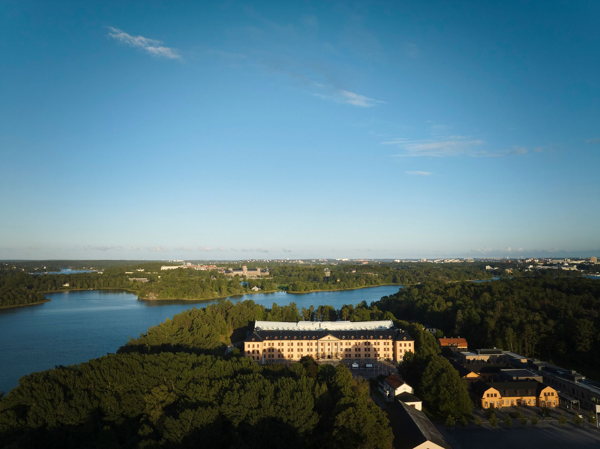
One of Stockholm’s most cherished Art Nouveau buildings, originally built as the Ateneum girls’ school in the early 1800s, has been transformed into Miss Clara – a boutique hotel by Sweden’s dynamic Nobis Hospitality Group.
Taking its name from the school’s first headmistress, Miss Clara, the hotel is a harmonious blend of Art Nouveau and Scandinavian design. Built in 1910, the building has been lovingly restored under the direction of Gert Wingårdh of the architectural firm Wingårdhs, with a palpable sense of heritage at its heart.
All 92 rooms embody the Swedish architect’s unique concept of an outward-facing property, where the windows overlooking Sveavägen Boulevard take centre stage.
Here, guests can expect a chic blend of marble bathrooms, timeless design and contemporary interpretations of the property’s Art Nouveau heritage, reflected in the furniture and installations.
At street level, a vibrant restaurant, bar and Neapolitan pizzeria thrive on the urban buzz of the evolving Stockholm City district, welcoming guests and savvy locals alike. Conversely, the gym and sauna create an atmosphere that shields guests from the hustle and bustle of the neighbourhood outside, making this chic hideaway a prime venue for both business and pleasure.
About
Address
Sveavägen 48 111 34
Stockholm, Sweden
Manager
Filippo Catenacci
Owner
Alessandro Catenacci
Rooms
92
Suites
4
Facilities
Sauna, compact gym
Restaurant
Miss Clara Restaurant, Giro Pizzeria
Bar
Miss Clara Bar
Architecture & Design
Original building: Hagström & Ekman
Restoration & interior design: Wingårdh


Swedish craftsmanship
Running through the heart of Stockholm, from north to south, Sveavägen is the capital’s most cosmopolitan boulevard. Situated just north of the junction of Sveavägen and Kungsgatan Avenue, the hotel is at the centre of one of the most significant focal points in the development of a new and more vibrant district of Stockholm City.
Inspired by the building’s origins, Wingårdh’s interiors for Miss Clara pay a respectful homage to the Art Nouveau movement, with subtle hints of femininity that reflect the property’s past as a girls’ school.
Note the generous use of Swedish materials such as limestone, oak and bentwood, alongside exquisite parquet flooring, arched windows and high ceilings. Whilst the design largely interprets the building’s historic past in a contemporary manner, modern innovations are ever-present.
Specially designed and crafted furniture and fittings include bespoke in-room storage units that run the full length of the window wall, offering ample space for luggage whilst also serving as a spot to sit by the window and watch the street.
Glass walls separate the bathroom and bedroom areas – and the selected furniture harmonises with a colour scheme that transitions from dark tones at floor level to a light and airy palette on the upper walls. The uncluttered, relaxed rooms pay particular attention to high-quality details and Swedish craftsmanship.
High ceilings, expansive windows and an original spiral staircase: the hallmarks of the building’s original architects, Hagström & Ekman, remain gloriously intact.
As one of the city’s most cherished Art Nouveau buildings, architect Gert Wingårdh of the Swedish firm Wingårdhs was tasked with preserving the original features of the 1910 building whilst simultaneously reinterpreting them in a modern way.
The result is a seamless incorporation of soft and graceful organic lines, alongside the integration of more classic features such as wood panelling.“You might say that we’ve taken the lines of the original architecture as our starting point and developed them into a kind of abstract, contemporary Art Nouveau,” explains Wingårdh.“Clarity, tangible comfort and intuitive function were our guiding principles for this project. We wanted to instil a subtle sense of déjà vu, as if it had always looked like this – but above all, we wanted it to feel very authentic, comfortable and run smoothly.”


Meeting and event venues
The Terrace
From its secluded location on the fifth floor, with abundant natural light streaming in through glass walls and a glass ceiling, the Terrace offers an inspiring setting for gatherings of all kinds. The two private balconies, along with the room’s own toilet, give the Terrace a secluded atmosphere.
Chambre Séparée
The warm atmosphere and subdued lighting in our Chambre Séparée are complemented by thoughtful material choices, with the square limestone table serving as the room’s natural focal point and pièce de résistance. Surrounding the table are chairs from the Italian brand Cassina, gently wrapped in leather and elegantly illuminated by the distinctive ceiling-hung light fixtures.
Atelier Clara
Spanning an impressive 550 square metres on the ground floor, Atelier Clara — Miss Clara’s dedicated meeting and events space — is crafted with the same refined warmth that defines the entire hotel.
Here, timeless materials and bespoke furniture come together with an architectural vision developed in close collaboration with Wingårdhs. The result is a creative setting where every detail, from the soft curves of the lounge seating to the solid wooden surfaces, has been thoughtfully selected to evoke character and comfort.
Atelier Clara comprises a lounge area, three smaller meeting rooms and a larger event space — each designed to adapt seamlessly to different atmospheres and requirements. From intimate meetings to exclusive full buyouts, the environment offers sophisticated flexibility where design always takes centre stage.


Restaurant and bar
Miss Clara Restaurant & Bar
At Miss Clara Restaurant & Bar, Swedish flavours and international influences come together in an urban, vibrant brasserie atmosphere. The menu features classics and favourites prepared with top-quality ingredients. The restaurant flows seamlessly into the lounge and lobby areas, where the bar showcases the hallmarks of stylish Scandinavian design – clean lines, warm materials and a sense of effortless elegance.
Giro Pizzeria
At Giro, Neapolitan pizza takes centre stage, baked by experienced pizzaiolos using ingredients sourced directly from Italy. Here, tradition meets modernity in a lively setting where the interior design mirrors the restaurant’s culinary philosophy: contemporary, inviting and crafted with meticulous attention to detail. Carefully selected beverages complete the experience.


About Nobis Hospitality Group
Alessandro Catenacci is the driving force behind many of Stockholm’s top restaurants, nightclubs and hotels. His Italian name may reveal his Roman origins, but a distinctly Scandinavian sense of luxury is evident in everything Catenacci does. Above all, he hopes to offer guests places where they can feel as comfortable and humbly self-assured as he is. “I sometimes look at myself in the mirror and think, ‘Am I really good at anything, or was it just luck?’”
Back in 1987, Catenacci bought the Stockholm-based restaurant empire belonging to the great Scandinavian chef Tore Wretman – including Café Opera, Operakällaren, the Riche and Stallmästaregården. This shrewd acquisition became the springboard for what now comprises seven top-tier hotels, in addition to the restaurants and nightspots. Catenacci’s ease makes his success appear as though luck were indeed a factor, but it is in fact the result of a long-term vision, hard work and an intuitive business sense.
His company, the Nobis Group, has grown steadily over the more than two decades that have passed since that shrewd deal was struck. In many ways, the conglomerate’s philosophy combines the best of Catenacci’s Italian heritage – a passionate approach to fine food and a keen eye for quality – with the epitome of Scandinavian understatement.
Other hotels within the Nobis Hospitality Group:
Nobis Hotel Stockholm – Stockholm
Nobis Hotel Copenhagen – Copenhagen
Nobis Hotel Palma – Palma
Blique by Nobis – Stockholm
Concepció by Nobis – Palma
Hotel Skeppsholmen – Stockholm
Hotel J – Stockholm
Hagastrand – Stockholm
Stallmästaregården – Stockholm
Media contact

Frida Thornberg